
Dental Implant Process Step-by-Step: From Consultation to Final Smile
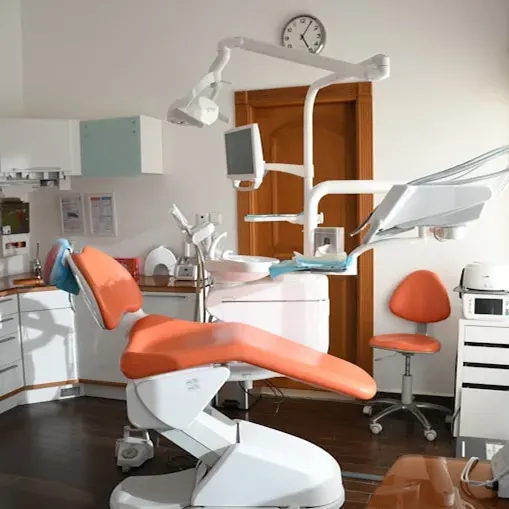
Dental implants are one of the most effective and long-lasting solutions for missing teeth. At Experteeth Dental Care, the entire process—from your first consultation to your final smile—is carried out with accuracy, comfort, and world-class clinical planning. If you are considering permanent dental implants, understanding the complete step-by-step process will help you feel prepared and confident before beginning your treatment. This guide covers everything about dental implants, including types, benefits, cost factors, and what to expect during each phase of the procedure. Step-by-Step Dental Implant Process Below is the complete journey from diagnosis to your final restoration Step 1 – Initial Consultation and Diagnostic Evaluation Your implant journey begins with a detailed consultation, which includes: This step determines your suitability for single implants, multiple implants, or full mouth dental implants. Step 2 – Personalised Treatment Planning Once the diagnostic results are reviewed, your implant specialist creates a personalised plan that outlines: Digital planning ensures precise implant positioning for maximum stability and aesthetics. Step 3 – Implant Placement Procedure The implant placement is a minimally invasive procedure carried out under local anaesthesia. It involves: Most patients are surprised by how comfortable this step is. Guided surgical systems improve accuracy and significantly reduce healing time. Step 4 – Healing Phase and Osseointegration Over the next few weeks, the implant undergoes osseointegration, a natural process where it fuses with the jawbone. This provides: Healing time typically ranges from 8–12 weeks. During this period, temporary restorations are provided so you do not have to compromise your smile. Step 5 – Abutment Placement After successful implant integration, an abutment is placed. This component connects the implant to the final crown. It is a short, simple procedure that prepares your gum tissue for the final restoration. Step 6 – Final Crown Placement The last step is the placement of your customised ceramic or zirconia crown. Designed to match your natural teeth perfectly, the crown: This is the moment most patients look forward to—your confident smile is restored. Types of Dental Implants Available Here are the main categories offered at advanced implant centres: Single Dental Implants For replacing one missing tooth. Multiple Dental Implants When two or more teeth need replacement. Full Mouth Dental Implants Includes All-on-4 and All-on-6 systems for patients with multiple missing teeth. Zirconia Implants Metal-free, aesthetic implants for patients seeking a holistic alternative. Immediate Loading Implants Implants where temporary teeth are placed on the same day. Benefits of Dental Implants Choosing implants offers life-changing advantages: Dental Implant Cost: What Influences Pricing? The dental implant cost varies depending on: A detailed estimate is always provided after diagnostic scans to ensure transparency. Dental Implants Before and After – What to Expect Before Treatment After Treatment Frequently Asked Questions (FAQs) Are dental implants painful? Implant surgery is typically painless because it is performed under local anaesthesia or sedation. Patients may feel minor pressure during placement, but discomfort is minimal. Mild soreness can occur for a few days, which is easily managed with medication. Most people describe the experience as easier than a tooth extraction, thanks to modern guided surgical techniques. How long do permanent dental implants last? Permanent dental implants can last 15–25 years or longer with proper care. Since they fuse with the jawbone, they offer excellent stability and durability. Regular dental check-ups, good oral hygiene, and avoiding habits like smoking can significantly extend their lifespan Is everyone a candidate for dental implants? Most adults are suitable candidates, but final eligibility depends on bone density, gum health, and medical conditions. Even patients with bone loss may qualify with procedures like bone grafting. A comprehensive evaluation determines the best approach for each individual. What is the cost of dental implants? Costs vary depending on the number of implants required, implant type, crown material, and any additional procedures such as bone grafting. Full mouth implants require multiple posts and advanced prosthetics, increasing the price. A customised quote is provided after a detailed consultation. How soon can I return to normal activities after implant surgery? Most patients resume day-to-day activities within 24 hours of implant surgery. Mild soreness may occur, but it rarely interferes with routine tasks. Avoid strenuous exercise for 2–3 days to support healing. Your dentist will provide clear aftercare guidelines.
Teeth Whitening to Invisible Braces: Trends in Cosmetic Dentistry You Need To Know

Recent years have witnessed amazing breakthroughs in cosmetic dentistry, providing individuals with state-of-the-art procedures to improve their smiles with no discomfort. Smile brighter with the latest cosmetic dentistry trends! As a professional cosmetic dentist, I have witnessed the remarkable evolution of cosmetic dentistry over the past few years. Today, patients have access to a plethora of advanced treatments designed to enhance their smiles with precision and minimal discomfort. Here are some of the most significant trends in cosmetic dentistry that are shaping the future of dental aesthetics: Latest Teeth Whitening Procedures Teeth whitening continues to be one of the most popular cosmetic treatments, and recent innovations have made the process more effective and comfortable than ever. Light-activated whitening systems, such as Zoom and LASER whitening, provide faster results with less sensitivity. Customised at-home whitening kits also offer a convenient option, allowing patients to achieve a brighter smile from the comfort of their homes. These advancements ensure a dazzling smile with minimal discomfort. “A bright smile not only enhances your appearance but also boosts your confidence. Our latest teeth whitening procedures are designed to give you a radiant smile quickly and comfortably,” says Dr Ridhii D Veneers and Thineers Veneers have long been a staple in cosmetic dentistry, providing a solution for chipped, stained, or misaligned teeth. Thineers, a newer and even less invasive option, offer similar benefits with minimal alteration to the natural tooth structure. These ultra-thin veneers are bonded to the front surface of the teeth, creating a flawless, natural-looking smile. “Natural smiles look better than perfect smiles. It’s the smiles that create a twinkle in your eye and show your inner beauty that truly captivate,” says Dr Ridhii D. “With veneers and thineers, we can enhance your smile while preserving the essence of your natural beauty.” Invisible Braces / Aligners Invisible braces, such as Invisalign, have revolutionized orthodontic / braces treatment. These clear aligners offer a discreet alternative to traditional metal braces, providing a comfortable and convenient solution for straightening teeth. They can be removed for eating and cleaning, making them an ideal choice for busy individuals seeking a seamless integration of orthodontic treatment into their daily lives. “Aligners have transformed the way we approach orthodontics. They are virtually invisible, making them a popular choice for adults and teens who want to straighten their teeth without the noticeable appearance of traditional braces,” says Dr Ridhii D. Composite Bondings Done in a Single Sitting Composite bonding is a versatile treatment that can quickly repair chipped, cracked, or discoloured teeth. Recent advancements in composite materials and techniques allow for single-sitting procedures, providing immediate results. The latest composites are highly durable and can be precisely color-matched to the patient’s natural teeth, ensuring a seamless and natural appearance. “Composite bonding offers a fast and effective solution for minor dental imperfections. In just one visit, we can enhance your smile and boost your confidence,” says Dr Ridhii D. In conclusion, the field of cosmetic dentistry is constantly evolving, driven by technological advancements and changing patient preferences. As a cosmetic dentist, it is exciting to be part of a profession that not only enhances smiles but also boosts confidence and improves overall well-being. By staying abreast of these trends, we can continue to provide our patients with the highest quality of care and the most beautiful, natural-looking results. “Remember, it’s the natural smiles that truly shine. A genuine smile reflects your inner beauty and radiates confidence and kindness,” says Dr Ridhii D.
Ways to Care for Your Teeth After a Whitening Treatment
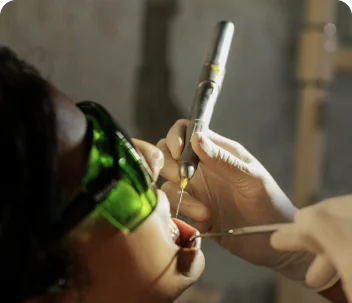
A teeth whitening procedure at your dentist’s office can give you a brighter smile than what you can achieve with over-the-counter whitening strips. Being careful about the foods you eat for the first few days after a professional teeth whitening can help you maintain your new, whiter teeth for longer. For 48 hours after a professional teeth whitening, it’s recommended that you avoid acidic, pigmented foods and beverages and stick to things that won’t cause discoloration. This is commonly called the “White Diet”, a short-term diet consisting of white and light-coloured foods and drinks. Read on to learn more about the white diet, what foods you should avoid, and what foods are safe to eat after teeth whitening. HOW DOES THE WHITE DIET WORK? After professional whitening, your teeth become slightly porous and the dentin layer becomes temporarily exposed. “Acidic and dark-coloured foods are more easily absorbed into your teeth after whitening, which can cause discoloration. By following the white diet for 48 hours after a whitening procedure, you can limit the number of dyes and pigments that come into contact with your teeth until the sensitivity goes away,” says Dr Riddhi Katara, Cosmetic Dentist, Smilemakeover specialist and Dental Implantologist. FOODS AND DRINKS TO AVOID AFTER TEETH WHITENING The foods and beverages below contain natural pigments or artificial dyes that can build up over time and lead to discoloration. You don’t have to cut out these foods forever. Your teeth are the most sensitive during the first couple of days after a whitening procedure, Dr Katara recommends avoiding the following foods for about two days: Wine Both red and white wines can be harmful to the colour and enamel of your teeth. Red wine is high in acidity, and the dark pigment makes it likely to cause stains. White wine, even though it’s lighter in colour, can also break down enamel. Coffee and Tea It may be hard to kick your coffee or tea habit for a few days, but avoiding these drinks can help you avoid one of the biggest sources of stains. Coffee and tea contain tannins, which can build up over time and darken the colour of your teeth. After a professional whitening, when your teeth are at their most porous, tannins can stain even faster. Limit your coffee and tea consumption for a few days after getting your teeth whitened. If you absolutely can’t go a day without your morning brew, try drinking it through a straw to help minimize contact with your teeth. Soft Drinks If it has fizz, you might want to steer clear of it. Carbonated drinks are high in sugar and acid, which can strip away tooth enamel. Dark-coloured colas can also contribute to surface stains. Avoiding soft drinks even when you’re not following the White Diet can help you have healthier, brighter teeth. Candy & Chocolate Refined sugars can lead to decay, erosion, and discoloration, especially when your teeth are sensitive after whitening. Be sure to avoid chocolate and artificially-coloured candies right after your procedure. Dark Fruits Dark-colored fruits are rich in pigments that can stain your teeth. If a fruit is particularly acidic, it can also contribute to enamel erosion. It may help to avoid fruits with dark juices, like raspberries, cherries, pomegranates, blackberries, and blueberries. Stay away from juices containing these fruits, too. Don’t cut healthy fruits out of your diet for too long, though—it’s safe to eat your favourites again 48 hours after whitening. FOODS AND DRINKS YOU CAN HAVE AFTER TEETH WHITENING Now that you know what foods you should avoid, Dr Katara lists down foods that are great to eat after having your teeth whitened. Just as the name suggests, these are primarily white-coloured foods that have low acidity and are free of the pigments and chemicals that can lead to stains. Fish, Chicken, & Tofu Light, lean proteins are healthy in general and great after getting your teeth whitened. Just be cautious of any vibrant seasonings or sauces to go with your protein; instead, stick to white sauces. Rice, Bread, & Pasta Most grains are safe to have on the White Diet. However, be on the lookout for bread and pasta that lists molasses or food colouring in the ingredients—these are often included to give bread and pasta an artificially darker appearance, which can transfer to your teeth. White Cheese & Yogurt Skip artificially coloured cheeses and sugary, flavoured yogurts. White cheeses and plain yogurts are ideal choices for this diet. Fresh Fruits & Vegetables Light-coloured fruits and vegetables are a staple of the White Diet. Fruits (like pears, bananas, and apples) and vegetables (like cauliflower, potatoes, and mushrooms) are not only healthy for you, but good for your teeth, too. Water Water is the best drink for hydration, oral health, and smile brightness. Water has no risk of staining your teeth or wearing down your enamel, so it should be your first choice of beverage on the White Diet. WAYS TO PROTECT YOUR TEETH AFTER WHITENING Quit smoking. Nicotine, whether it’s in a cigarette, chewing tobacco, or an e-cigarette, can cause yellowing of the enamel that can be hard to remove. Quitting tobacco will do wonders not only for your teeth, but your overall oral health as well.
Dental Hygiene: This is the right order to brush teeth, floss, and use mouthwash
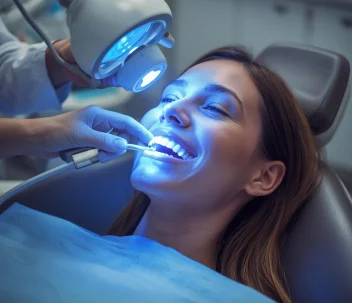
We know you have a routine for your body, your face, and even your hair. But what about your dental routine? A little TLC goes a long way when it comes to oral hygiene. Having a dental routine to follow twice a day in a specific order will ensure that you pay fewer visits to the dentist’s clinic. We know it’s hard to dedicate time to learning and following another step-by-step list. But once you get a hang of this one, it’ll just become second practice. We are here to ensure that we’ve done the homework for you, so just follow these four steps for a sparkling smile. 1.Start with Mouthwash It’s not uncommon to use mouthwash towards the end of your routine. Many have always used mouthwash as the last step to cleanse thoroughly and have fresh breath. Dr. Riddhi Katara, who is awarded Maharashtra’s Best Cosmetic Dentist 2020 and owner of Experteeth Dental Care explains what the best strategy is to kickstart your dental routine. She suggests that the best way to start your day is to ditch traditional alcohol-based mint mouthwashes and resort to coconut oil. Oil pulling is a method where you measure one tablespoon of oil and swish it around in your mouth for 2-3 minutes before you spit it out. The method makes sure to kill the bacteria in your mouth and will rid you of bad breath. It will also help prevent cavities and improve overall gum health. Dr. Riddhi says, “it’ll have amazing skin benefits as well”. She says “organically the best mouthwash available everywhere is extra virgin coconut oil”. She knows that for most, taste is an issue, but with practice and patience, it gets easy. 2. Take your time to Brush When it comes to brushing time and technique matter a lot. Dr. Riddhi explains you must always brush for 2-3 minutes and “circular and vertical motions are best”. She recommends automated toothbrushes as they do the work for you. They make sure to get between all teeth and cover all motions by targeting smaller sections. When it comes to selecting your toothpaste, don’t overthink it. As long as you’re using enough to cover your toothbrush, you’re all good. Just make sure to brush twice daily and for long enough. 3. Next comes Floss Dr. Riddhi suggests ditching the stick floss and opting for traditional thread floss as the next step in your routine. She’s a fan of the old-school way and instructs that you should take your time and go over the gaps between all teeth. You can floss once a day in your morning routine and you will see long-term benefits soon after. For tea and coffee drinkers, Dr. Riddhi recommends tooth wet wipes that are easily available in the market. She explains that between meals and drinks, these wipes would combat the accumulation of stains that most people complain about. So when in doubt, always use the tooth wipes. 4. Don’t neglect your Tongue If you’ve ever had bad breath, it’s your tongue to blame. We often neglect our tongue when it comes to our dental hygiene. Our teeth are used to getting all the attention, but it’s the tongue that harbors all bacteria and increases the chances of bad breath. “Scraping your tongue is important, twice daily but, especially in the morning”, Dr. Riddhi says. So use a metal tongue scraper or your toothbrush to clean your tongue in vertical and circular motions. If not cleaned regularly the tongue forms a coating on top which is the major reason for bad breath. Dr. Riddhi’s last tip was to opt for a sugar-free mint if you are a mint-lover. These are the four steps you must follow for optimum dental hygiene. Although you won’t see immediate results, keeping up with this routine will benefit you in the long run. The dedicated time that you give to your teeth will be one of the best investments you can make for yourself.
The Hidden Power of a Smile—Why Correcting Yours Could Change Everything
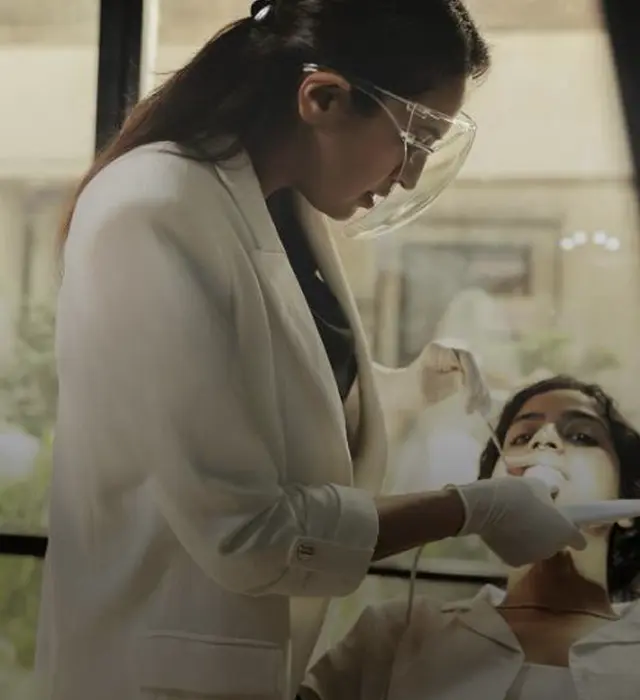
The Hidden Power of a Smile—Why Correcting Yours Could Change Everything Let’s face it: a smile is like a secret weapon. It’s the first thing people notice, the one feature that can change how you’re perceived, even how you feel about yourself. Yet, for many, the simple act of smiling doesn’t feel so simple when you’re worried about crooked teeth, discolouration, or gaps. The good news? We live in an era where smile makeovers aren’t just for Hollywood stars—they’re for everyone. So, why does fixing your smile matter so much? Beyond looking good in photos (we see you, Instagram lovers), correcting your smile has a lot more benefits than just aesthetics. It’s about unlocking a version of yourself that’s confident, happy, and ready to take on the world. Confidence Boosters: Say Cheese Like You Mean It Ever tried to hide your teeth in a group photo? You’re not alone. A lot of people feel self-conscious about their smile, and that can really impact how they carry themselves. Imagine walking into a room and being able to flash a wide, genuine smile without thinking twice. When you’re not worried about how your teeth look, you’re naturally more relaxed and confident. Whether it’s nailing that presentation at work, going on a first date, or just hanging out with friends, a confident smile can make all the difference. Studies even back it up—people who smile confidently are perceived as more attractive, approachable, and trustworthy. The real magic? That confidence radiates, affecting how you feel about yourself, too. Suddenly, you’re not just smiling for others; you’re doing it because you feel good. Smile Your Way to Better Mental Health It’s not just about looking good; science says smiling actually makes you feel good. Ever notice how you feel a little lighter after a good laugh or a genuine grin? Smiling triggers the release of endorphins, the “feel-good” chemicals in your brain that help combat stress. So, when you correct your smile, you’re not just giving yourself a cosmetic upgrade; you’re investing in your mental health. When you’re confident in your smile, you naturally smile more. And the more you smile, the better you feel. It’s a win-win! Imagine how life-changing it could be to go from feeling self-conscious about your teeth to smiling freely and often. That shift in behaviour has a ripple effect: less anxiety in social settings, better interactions with others, and a more positive outlook on life overall. The Magic of Modern Dentistry: Quick, Easy, and Effective Okay, so we’ve talked about the emotional and mental perks of a great smile but what about the how? Correcting your teeth used to mean long, uncomfortable procedures (hello, metal braces), but those days are over. Modern cosmetic dentistry offers an array of treatments that are quicker, less invasive, and way more convenient than ever before. Want straighter teeth without the ‘brace face’ look? Invisible aligners are here to save the day. These clear, discreet trays are perfect for adults and teens alike—no more metal, no more discomfort. Plus, you can remove them when you need to, so there’s minimal disruption to your lifestyle. Need a brighter smile for an upcoming event? Single-sitting teeth whitening treatments have you covered. You can walk into the dentist’s office with a dull smile and leave an hour later with pearly whites that look like they belong on a toothpaste ad. For more permanent transformations, porcelain veneers are a fan favorite. Whether you’ve got gaps, misalignments, or discolouration, veneers give you that flawless, natural-looking smile in just a couple of appointments. “Crafting a confident smile means creating something that looks absolutely natural. Your smile should enhance your features, not overpower them,” suggests Dr. Ridhii D. And if you’ve got minor imperfections like chips or cracks, composite bonding offers a quick, affordable fix. You could literally go in for lunch with chipped teeth and come out with a movie-star smile. Why Smile Makeovers Matter: It’s More Than Just Looks Sure, it’s easy to assume that smile makeovers are all about vanity, but they’re so much more than that. For many, a smile transformation means finally feeling like they can fully express themselves. It’s about removing that one thing that’s been holding them back for years and stepping into a version of themselves that’s ready to take on life. Think about it: a confident smile can open doors, both personally and professionally. Whether it’s acing a job interview or simply enjoying a conversation without worrying about how your teeth look, the ripple effect of fixing your smile is huge. Ready for the Next Step? If you’ve been on the fence about correcting your smile, maybe it’s time to take the plunge. With today’s advancements in dental technology, you’ve got more options than ever before, and the benefits are far-reaching. So, why wait? Your dream smile is just around the corner—and with it, a brighter, more confident you!
How To Overcome Teeth Sensitivity During Winter
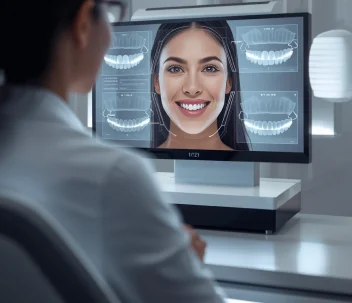
Have you ever wondered why your teeth hurt so much in the mornings, especially in the winter? According to studies, tooth decay, exposed dentin, upset tooth nerves due to grinding teeth, or a newly placed dental filling can all be reasons for dental pain brought on by the cold winter. The chilly air that gets into your mouth throughout the winter causes heightened sensitivity and discomfort. Because of our daily activities, the enamel of our teeth is subjected to increasing wear and strain. As a result, they lose a crucial layer of protection, exposing them to external stimuli such as diseases and harsh meals. As a result, tooth sensitivity develops. Dr. Riddhi Katara, Celebrity Cosmetic Dentist and founder of Experteeth Dental Care, shares tips to prevent and overcome teeth sensitivity during harsh weather. Brush Gently: Sensitivity is basically a problem that occurs due to the result of worn tooth enamel or exposed tooth roots. Sensitivity can be taken care of by looking after your teeth beginning from brushing them. People usually brush their teeth in a hurry, but that is one of the biggest causes of dental problems. One must brush their teeth very gently. Be it sensitive teeth or normal ones brushing teeth should be gentle and easy. Use Of Soft Bristled Brush: Gentle brushing is possible when you use a soft-bristled brush. It is very important to look at the type of brush you are using. Hard brushes may cause bleeding or swollen gums and other dental problems too. Soft-bristled brushes aren’t harsh on the teeth and the gums and hence make brushing light to the teeth cleaning the germs off them. Avoid Acidic Drinks: Acidic drinks such as aerated drinks or soft drinks are harmful to teeth. Such drinks cause degradation of the tooth and demineralize tooth enamel, creating rotten teeth and loosening gums. Teeth sensitivity is also caused by excess consumption of such acidic drinks. It is better to drink natural fruit juices like cranberry juice and avoid acidic drinks. Skip Tooth Bleaching: Tooth bleaching is a procedure that involves whitening teeth to reduce discolouration induced by aerated drinks. When you have sensitive teeth, you should avoid tooth bleaching since it is a difficult process that can lead to enamel erosion. Use Of Fluoridated Mouthwash: Sensitive teeth require special attention. Simply washing your teeth with water will not help, as water can be harsh on your tooth enamel. Fluoride is a naturally occurring mineral that is incorporated into the teeth enamel by fluoride rinse, which protects the gums against cavities, especially in sensitive teeth. Visit Your Dentist: Last but not least, even if you are practicing these activities to protect your teeth and maintain your dental health, it is necessary to visit your dentist every six months. Also while facing problems such as sensitivity, it is better to consult your dentist before practicing any of them.
Dr. Ridhii D: Transforming Smiles for the Big Day

Dr. Ridhii D, a professional cosmetic dentist at Experteeth Dental Care, emphasizes the importance of a radiant smile, particularly for soon-to-be-married couples. Her expert advice is aimed at helping couples look and feel their best on their wedding day through optimal dental care. Prioritize Personal Oral Hygiene According to Dr. Ridhii, maintaining excellent oral hygiene is the cornerstone of a beautiful smile. She recommends incorporating the following habits into your daily routine: Dr. Ridhii states, “Fresh breath not only boosts your confidence but also enhances your overall well-being, making you feel happier and more connected to your partner.” Dr. Ridhii adds, “Since cuddling and long conversations before bedtime is the new ‘Netflix and chill,’ ensure your breath is fresh and your mouth is healthy to make these moments even more special.” 2. Teeth Whitening: The Couples’ Spa Day Dr. Ridhii suggests teeth whitening as an excellent way to enhance your smile for your wedding day. Professional teeth whitening services offer quick and noticeable results, akin to a spa day for your teeth. “Teeth whitening is like getting a spa treatment for your smile,” says Dr. Ridhii. “Consider it as a couples’ spa day out, helping you both feel pampered and ready to shine on your big day.” 3. Smile Designing for a Perfect Smile For those looking to make more significant improvements, Dr. Ridhii suggests smile designing. This process involves using various cosmetic treatments to create your ideal smile: “A couple smiling and laughing wide is the true reflection of happiness,” says Dr. Ridhii. “Smile designing allows us to enhance your natural beauty, giving you the confidence to smile brightly on your big day.” 4. Dental Travel Essentials for Honeymoon Bliss Dr. Ridhii also offers advice on dental travel essentials to pack for your honeymoon “I urge couples to keep dental travel essentials handy,” says Dr. Ridhii D “These items ensure you maintain your oral hygiene routine while traveling, keeping your smile bright and your breath fresh.” In conclusion, Dr. Ridhii D’s expert advice highlights that taking care of your oral hygiene not only enhances your smile but also boosts your confidence and well-being. By following her tips, couples can ensure their smiles are radiant and ready for their wedding day and beyond. So, smile more often, enjoy intimate moments, and cherish your travels together with a healthy, beautiful smile. For more personalized advice and advanced treatments, visit Dr. Ridhii D at her Dental Studio, Experteeth Dental Care.
Zirconia vs. Ceramic Crowns: Comparing Crown Options and Costs
Dental crowns are one of the most reliable solutions to restore damaged, fractured, or root-canal-treated teeth. Among the many materials available today, zirconia and ceramic crowns have become the most preferred choices for natural aesthetics and long-lasting performance. If you’re comparing zirconia vs ceramic crown options, understanding their composition, durability, appearance, and cost differences can help you make an informed decision. This guide breaks down everything you need to know—from materials and benefits to tooth cap cost, aesthetics, and clinical recommendations. Understanding Zirconia and Ceramic Crowns Before comparing both materials, it’s essential to understand what they are and how they function. What Are Ceramic Crowns? Ceramic crowns, often referred to as porcelain crowns, are crafted entirely from high-quality dental ceramic. They are known for their exceptional translucency and natural appearance. Ceramic crowns are ideal for: These are also known as ceramic teeth caps, highly recommended when visual harmony is the main priority. What Are Zirconia Crowns? Zirconia crowns are made from zirconium oxide, a strong biocompatible material used in modern dentistry. They offer superior durability, making them popular for both front and back teeth. Zirconia provides: These are often preferred when patients need restorations that can withstand heavy chewing forces. Zirconia vs Ceramic Crown – Key Differences While both options are aesthetic and biocompatible, they differ in important clinical aspects. 1. Strength and Durability If durability is your top concern, zirconia is the better choice. 2. Aesthetics For patients focused on perfect natural appearance on front teeth, ceramic crowns often provide the most realistic shade match. 3. Biocompatibility Both materials are highly biocompatible and suitable for patients with metal allergies. However, zirconia is extremely resistant to wear, causing less friction with natural teeth. 4. Tooth Preparation Required Minimal removal of natural tooth structure is generally preferred clinically. 5. Longevity 6. Cost Comparison Because zirconia is stronger, more advanced, and digitally milled, it generally costs more than ceramic crowns. This makes the cost difference important for patients searching for dental crown price, crown teeth price, or porcelain caps for teeth cost. Metal Ceramic Crown vs Zirconia – Another Comparison Many patients still receive metal ceramic crowns (PFM crowns), so it’s useful to compare them with zirconia. Metal Ceramic Crowns (PFM): Zirconia Crowns: This makes metal ceramic vs zirconia a clear comparison—zirconia offers longer durability and better aesthetics, especially for visible teeth. Crown Costs Explained: What Influences Pricing? Patients often search for tooth cap cost, zirconia cap price, or ceramic crown cost. Prices vary depending on: 1. Material Used 2. Technology Involved Digital CAD/CAM milling increases precision and quality—often associated with zirconia crowns. 3. Type of Crown Design 4. Dentist Expertise Clinics with advanced technology and cosmetic dentistry expertise may have higher fees but deliver superior results. 5. Number of Crowns Needed Full-mouth rehabilitation will significantly differ in cost compared to single crown placement. When to Choose Zirconia Crowns Ideal for: Zirconia is also recommended for patients with gum recession concerns, as it does not show dark margins. When to Choose Ceramic Crowns Ideal for: Ceramic crowns remain the standard for purely aesthetic restorations. FAQs on Zirconia vs Ceramic Crowns
From Shade A3 to B1: Understanding Teeth Whitening Clinically
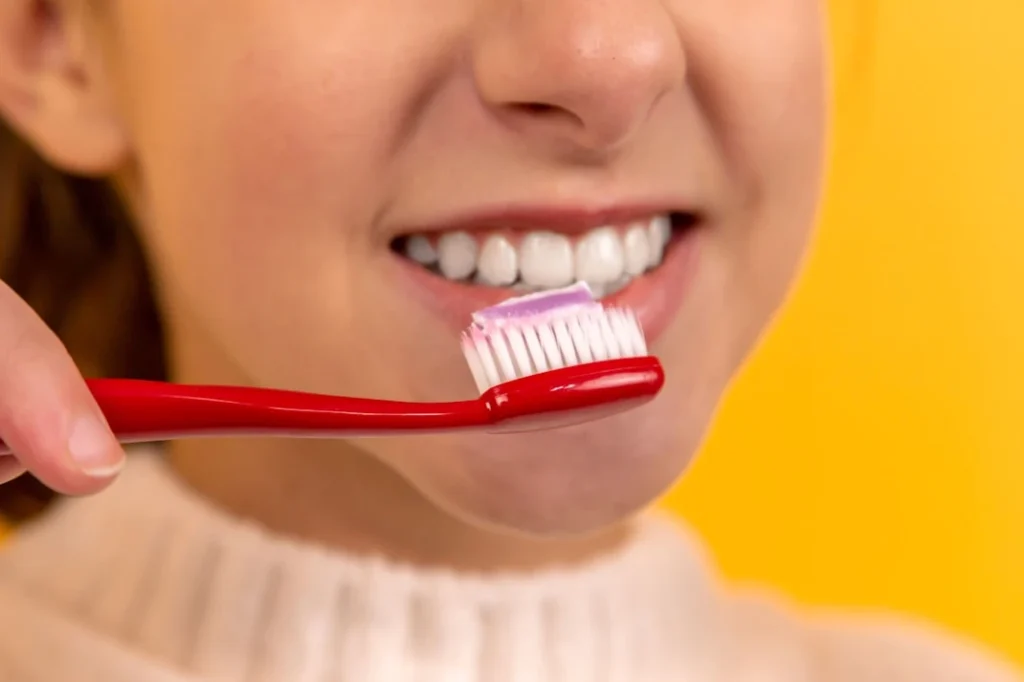
A bright, confident smile is often associated with good oral health and attractiveness. Over time, however, teeth naturally darken due to lifestyle habits, food choices, and aging. Many patients begin their journey at an A3 shade—a common yellowish tone—and aim to reach a dramatically brighter B1 shade, which is considered one of the whitest shades achievable safely. This guide breaks down the teeth whitening process, the science behind bleaching, what to expect during treatment, and how to choose the best teeth whitening method clinically. Why Do Teeth Darken Over Time? Before discussing how to whiten your teeth, it’s important to understand why discoloration occurs. Teeth can stain due to two main types of factors: Extrinsic Stains These stains affect the outer layer (enamel) and are caused by: Extrinsic stains respond extremely well to professional teeth whitening treatment, making them ideal candidates for clinical bleaching. Intrinsic Stains Intrinsic stains form within the tooth structure. These may be caused by: These stains require stronger and more controlled whitening solutions, making dental-office bleaching essential. Understanding Tooth Shade Ranges (A3 to B1) Dentists use the VITA shade guide to measure tooth color. Moving from A3 to B1 typically requires clinical-grade bleaching because over-the-counter methods cannot achieve such dramatic lightening safely. How Does Teeth Whitening Work Clinically? Professional teeth bleaching uses hydrogen peroxide or carbamide peroxide to break down deep stains within enamel and dentin. Once activated, these molecules penetrate the tooth structure and lighten the overall shade. This is the science behind how to whiten teeth safely and effectively under dental supervision. Step-by-Step Teeth Whitening Procedure At advanced clinics like Experteeth Dental Care, the whitening process follows a systematic approach to ensure maximum brightness with minimal sensitivity. Step 1 – Clinical Examination Your dentist evaluates: This step is essential for determining whether whitening will deliver the desired result. Step 2 – Shade Recording The dentist records your starting shade—often A3 or similar—to compare improvements after the teeth whitening treatment. Step 3 – Gum Protection & Isolation A protective gel is applied to shield the gums from bleaching agents. This ensures comfort and prevents irritation. Step 4 – Application of Whitening Gel A clinical-strength peroxide gel is applied to the enamel surface. This gel is significantly stronger than at-home kits, which is why professional whitening achieves faster and safer results. Step 5 – Activation Light (Optional) Many whitening systems use LED or laser activation to speed up the chemical reaction.This enhances the whitening effect and helps lighten the teeth by multiple shades. Step 6 – Rinse & Shade Comparison After the gel is removed, the dentist measures the shade again. Most patients achieve visible results after the first session—often moving from A3 to B1 or close to it. Step 7 – Post-Whitening Sensitivity Management Mild sensitivity is normal and temporary. Dentists may apply: At-Home Whitening vs Clinical Whitening Patients often search how to get whiter teeth using DIY methods, toothpaste, or over-the-counter strips. While these may lighten surface stains, they lack the strength and stability of in-office treatments. Here’s why: Over-the-Counter Whitening Professional Clinical Whitening For patients seeking dramatic change, the clinical method is the best teeth whitening option. Teeth Whitening Cost – What to Expect The teeth whitening cost depends on several factors, including: Type of whitening system used Laser, LED, or high-concentration peroxide systems may differ in price. Number of whitening sessions required Not everyone achieves B1 in a single session—some stains need 2 sessions. City, clinic expertise, and technology Clinics with advanced equipment and cosmetic dentistry expertise offer premium-grade results. Maintenance kits Some clinics provide take-home whitening gels to prolong results. Although whitening cost varies, many patients find clinical treatments worth the investment due to their predictable, safe, and long-lasting results. How Long Does Teeth Whitening Last? The longevity improves if you avoid: Regular dental cleanings and mild at-home maintenance can help you preserve a bright, white B1 shade longer. Tips on How to Whiten Your Teeth Safely at Home While nothing matches clinical whitening, these tips help extend results: 1. Use whitening toothpaste regularly Helps remove surface stains. 2. Rinse after colored foods Prevents pigment absorption. 3. Maintain excellent oral hygiene Reduces plaque that traps stains. 4. Use dentist-prescribed home whitening kits These are safer and more effective than online or store-bought products. Frequently Asked Questions (FAQs)
Bad Breath Causes & Treatment Options: Home Remedies to Dental Solutions
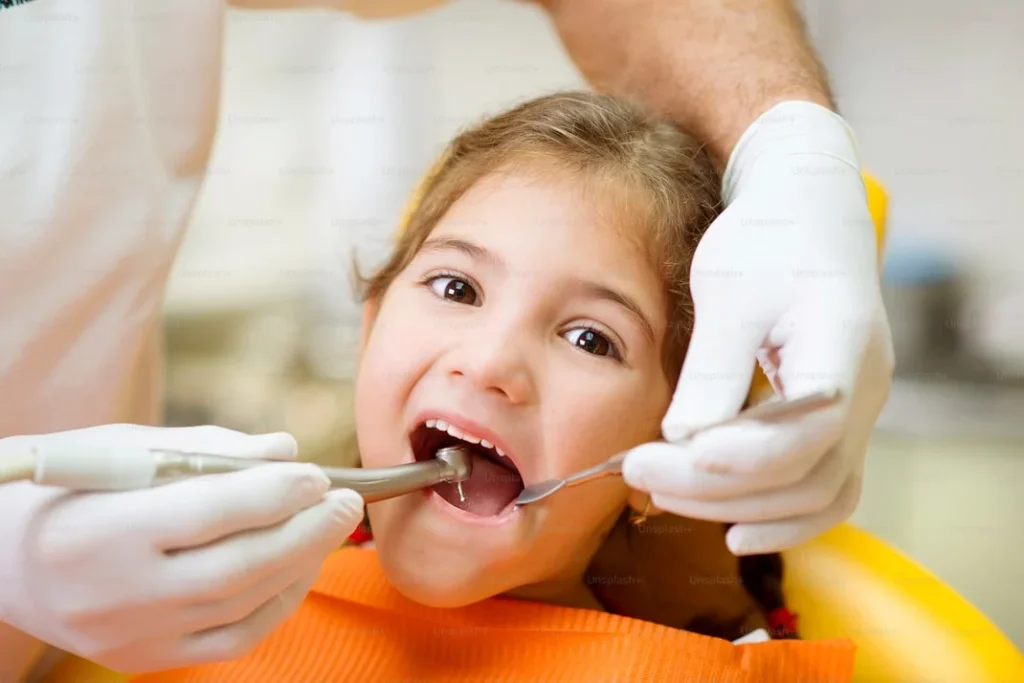
Bad breath is a common condition that affects both oral health and confidence. Known medically as halitosis, it can result from lifestyle habits, underlying dental issues, or systemic health concerns. While occasional bad breath is normal, persistent odor often signals deeper problems that require attention. This comprehensive guide explains bad breath causes, effective home remedies, and professional dental treatments to help you understand how to get rid of bad breath and maintain long-lasting freshness. Halitosis Meaning – What Exactly Is Bad Breath? The term halitosis refers to unpleasant-smelling breath that lingers beyond normal morning breath or temporary odor from food. It is caused by bacteria in the mouth that produce sulfur compounds, leading to a foul smell. Understanding what causes halitosis is essential for choosing the right bad breath treatment and improving oral hygiene. Bad Breath Causes You Should Know Bad breath can result from multiple factors. Knowing the root cause is the first step toward learning how to cure bad breath effectively. 1. Poor Oral Hygiene Not brushing and flossing regularly allows food particles to accumulate. This leads to bacterial growth, causing persistent odor. 2. Dry Mouth Saliva cleanses the mouth naturally. When saliva production decreases—due to dehydration, mouth breathing, or medications—odor-causing bacteria thrive. 3. Gum Infection or Periodontitis Gum disease is one of the most serious bad breath causes. Deep pockets around teeth harbor bacteria that release strong odors. 4. Tongue Coating The tongue’s surface traps bacteria and debris. Without proper cleaning, this becomes a major contributor to halitosis. 5. Certain Foods and Habits Garlic, onions, alcohol, and tobacco significantly increase the chances of bad breath. 6. Medical Conditions Diabetes, sinus infections, acid reflux, and liver or kidney issues can create internal odors that reflect through breath. Home Remedies for How to Fix Bad Breath If you are searching for how to get rid of bad breath, start with simple home-based solutions. 1. Brush Twice Daily and Floss Remove food particles and plaque that bacteria feed on. 2. Clean Your Tongue Use a tongue scraper daily to reduce sulfur-producing bacteria. 3. Stay Hydrated Drink plenty of water to prevent dry mouth and maintain saliva flow. 4. Rinse with Saltwater or Mouthwash Saltwater reduces bacteria naturally, while alcohol-free mouthwash keeps breath refreshed. 5. Chew Sugar-Free Gum It stimulates saliva, which helps wash away food particles and odor. 6. Avoid Odor-Causing Foods Limit garlic, onions, and heavily spiced foods when breath freshness matters. How to Cure Bad Breath Permanently – Dental Solutions That Work If home remedies don’t fix the problem, seeking professional care is essential. At clinics like Experteeth Dental Care, advanced diagnostic methods help identify deeper issues. 1. Professional Cleaning (Scaling and Polishing) Deep cleaning removes plaque, tartar, and bacteria from gum pockets—one of the most effective bad breath treatment methods. 2. Periodontal Treatment For gum disease, specialized treatments help eliminate infection and prevent recurrence of strong odors. 3. Treating Cavities or Infections Tooth decay and abscesses often produce foul smells. Filling cavities or treating infections helps restore fresh breath. 4. Managing Dry Mouth Your dentist may recommend salivary stimulants or lifestyle modifications to increase moisture in the mouth. 5. Correcting Oral Habits Smoking cessation programs and diet counseling can significantly improve breath quality. 6. Identifying Medical Causes If breath odor originates from systemic health issues, dentists coordinate care with physicians to address underlying diseases. How to Prevent Bad Breath – Long-Term Tips Learning how to prevent bad breath is essential for maintaining a healthy mouth. Daily Tips for Fresh Breath Lifestyle Habits to Improve Breath Consistent care is the key to learning how to cure bad breath permanently. Frequently Asked Questions (FAQs)